
14-year-old dies in Acarigua: Was it really a snake bite? Analysis of a fatal case under investigation.
- fundacionvivarium

- May 3
- 4 min read
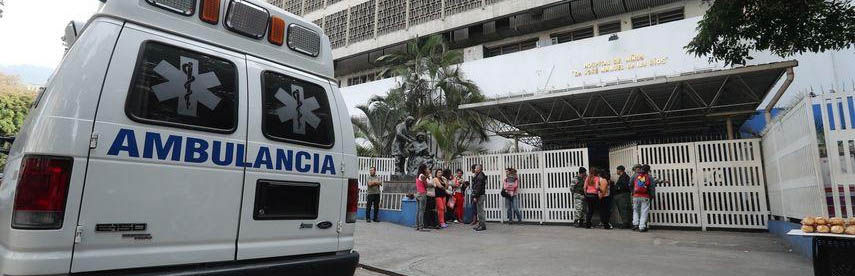
The recent death of a teenager at the Acarigua Hospital has raised concerns and multiple interpretations within the community. From the very beginning, there was suspicion of a possible snakebite accident. However, upon carefully reviewing the available information, the case presents a more complex reality: not every severe case with rapid progression necessarily corresponds to a snakebite.
This type of situation compels us to pause, analyze rigorously, and avoid hasty conclusions that may distort both the understanding of the case and future clinical decisions.
What is known so far about the case?
The patient presented a clinical picture that evolved over several days, with progressive deterioration culminating in her death. During her medical care, she was evaluated by various services, including surgery and trauma, and studies such as Doppler ultrasound were proposed.
However, a key element marks this case: fundamental laboratory studies were not conducted before the critical deterioration, and there is no confirmed evidence of contact with a snake.
There was no identification of the animal, no description of the event, nor clinical documentation of typical signs of poisoning. Subsequently, as the condition worsened, the patient fell into a coma and died without basic paraclinical studies being completed.
Currently, the case is awaiting forensic evaluation to determine the actual cause of death.

Why Does This Case Not Confirm a Snakebite Accident?
The suspicion of snake poisoning requires certain minimum elements to be clinically substantiated. In this case, none of them have been conclusively documented.
In snakebite incidents involving the genus Bothrops (mapanare), it is common to observe intense local pain, progressive edema, and early hemorrhagic alterations. In cases involving Crotalus (rattlesnake), although the local signs may be less evident, characteristic neurological or muscular manifestations usually appear. In this case, there is no clinical documentation describing a bite imprint (marks compatible with fangs), which further limits the possibility of establishing a conclusive diagnosis.
When these patterns are not present or have not been documented, the diagnosis loses clinical support.
This case, on the contrary, shows an unspecific course, without a defined toxicological syndrome, which prevents attributing the outcome to snake poisoning with the required level of certainty.
The Importance of Differential Diagnosis in Severe Cases
One of the greatest risks in medicine is confirmation bias, especially in contexts where snake bites are common.
When a cause is assumed without sufficient evidence, other potentially lethal conditions can be overlooked, such as severe infections, hematological disorders, vascular events, or systemic complications of non-toxic origin.
This case clearly illustrates the need to maintain a broad and evidence-based diagnostic approach, especially in the early stages of care.

What studies were key in a suspicion of snakebite?
In the presence of a suspicious case, there are basic tools that guide the diagnosis and medical conduct. Among them, the following stand out:
Prothrombin time (PT) and activated partial thromboplastin time (aPTT)
Fibrinogen levels
Urinalysis (especially to detect hematuria or myoglobinuria)
These studies allow for the identification of typical alterations of poisoning and differentiate it from other causes.
The absence of this data in this case significantly limits any attempt at retrospective diagnosis.
Was it really a snakebite? What defines the answer
The central question — Was it really a snakebite? — remains open.
Without clinical evidence, confirmation of the event, and laboratory studies, any assertion at this moment would be speculative.
The only way to clarify the case is through forensic study, which will allow for the identification of findings compatible (or not) with poisoning, such as hemorrhagic alterations, muscle damage, renal compromise, or infectious processes.
Final Reflection: When Uncertainty Also Teaches
Beyond the outcome, this case leaves an important lesson: diagnostic accuracy is fundamental in emergency medical care.
Not all severe cases in rural areas correspond to snake bites, and assuming so without evidence can divert attention from other equally critical causes.
From the Vivarium Foundation, this type of analysis aims to strengthen understanding, improve protocols, and promote care based on solid clinical criteria, always for the benefit of the patient.
Early consultation does not guarantee the outcome, but it does improve the chances of proper management and a clear diagnosis.
Beyond the outcome, this case also underscores a key aspect of public health: the consultation time. In the presence of any symptoms compatible with a possible snakebite—intense local pain, swelling, bleeding, weakness, blurred vision, or changes in urine—the recommendation is to immediately go to a health center. The progression of these symptoms can be rapid, and in many cases, the first few hours are crucial for guiding the diagnosis, requesting basic tests, and deciding on timely actions.
When care is delayed, the opportunity to document clinical and laboratory findings that confirm or rule out poisoning is lost, complicating both the management and subsequent interpretation of the case. Strengthening the early recognition of warning signs and timely consultation remains one of the most effective interventions.
Participate and share
Leave us your comment! You can also read the thread on our account at X.com/FVivarium with the hashtag: #VivariumEduca
❤️ If you value our educational work and want to help us continue preventing deaths from snake bites in Venezuela, consider making a donation.
Your contribution makes a difference.👉 DONATE
Did you find this information useful?
Help us reach more people: Share this article on your networks or copy the link and send it to someone who might benefit. Prevention is also shared!
⭐️⭐️⭐️⭐️⭐️Leave us a review on Google!


Comments